A cake is more than convenience.
It's history pressed into form.
What Is Pu-Erh?
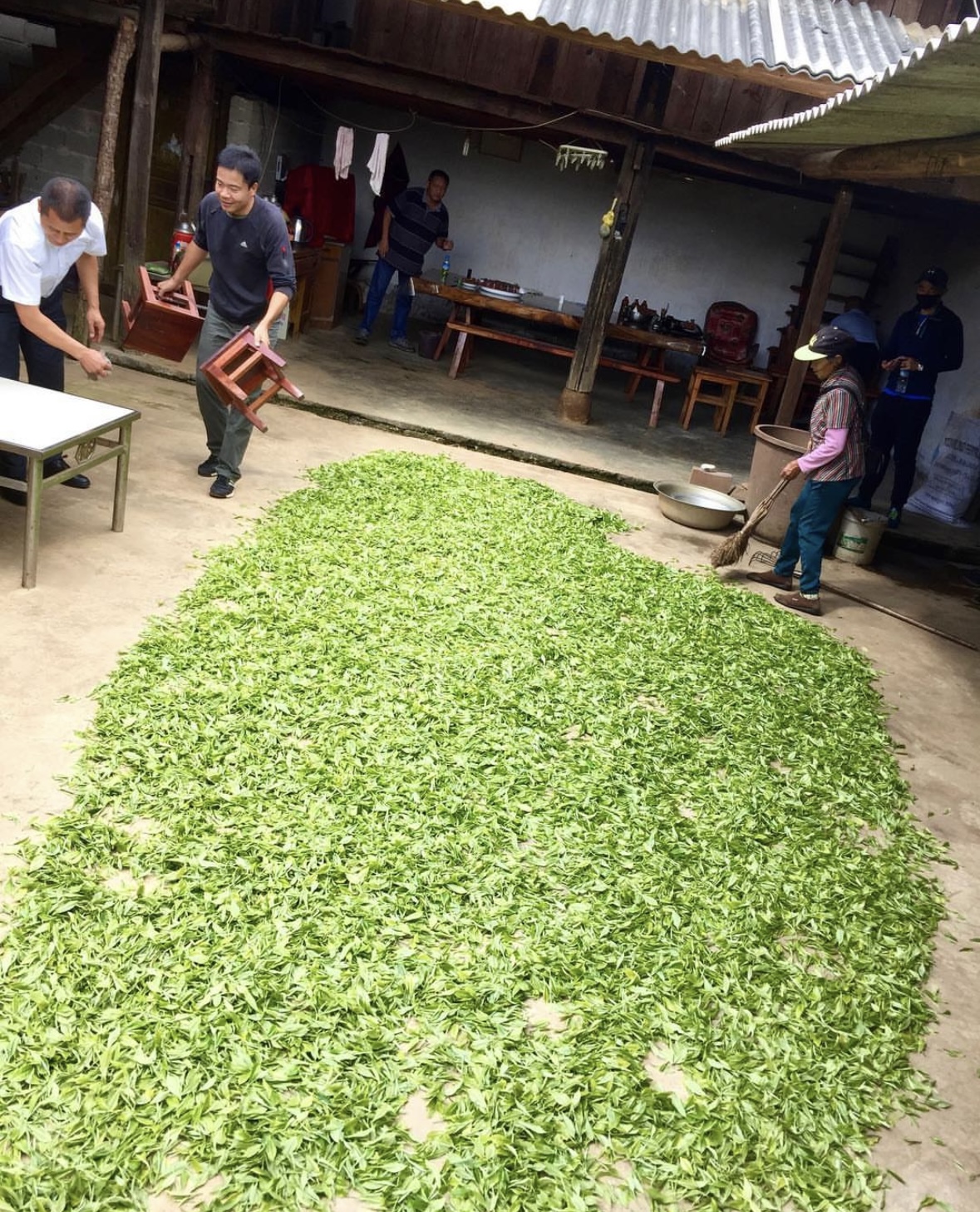
Pu-erh tea is a fermented tea from Yunnan province in southwestern China. Unlike other teas that are dried immediately after harvest, pu-erh undergoes a unique fermentation process that transforms the leaves both chemically and organoleptically. The result is a tea that continues to evolve for decades—sometimes centuries—developing deeper, more complex flavors with age.
The Cake: Born From Trade Routes
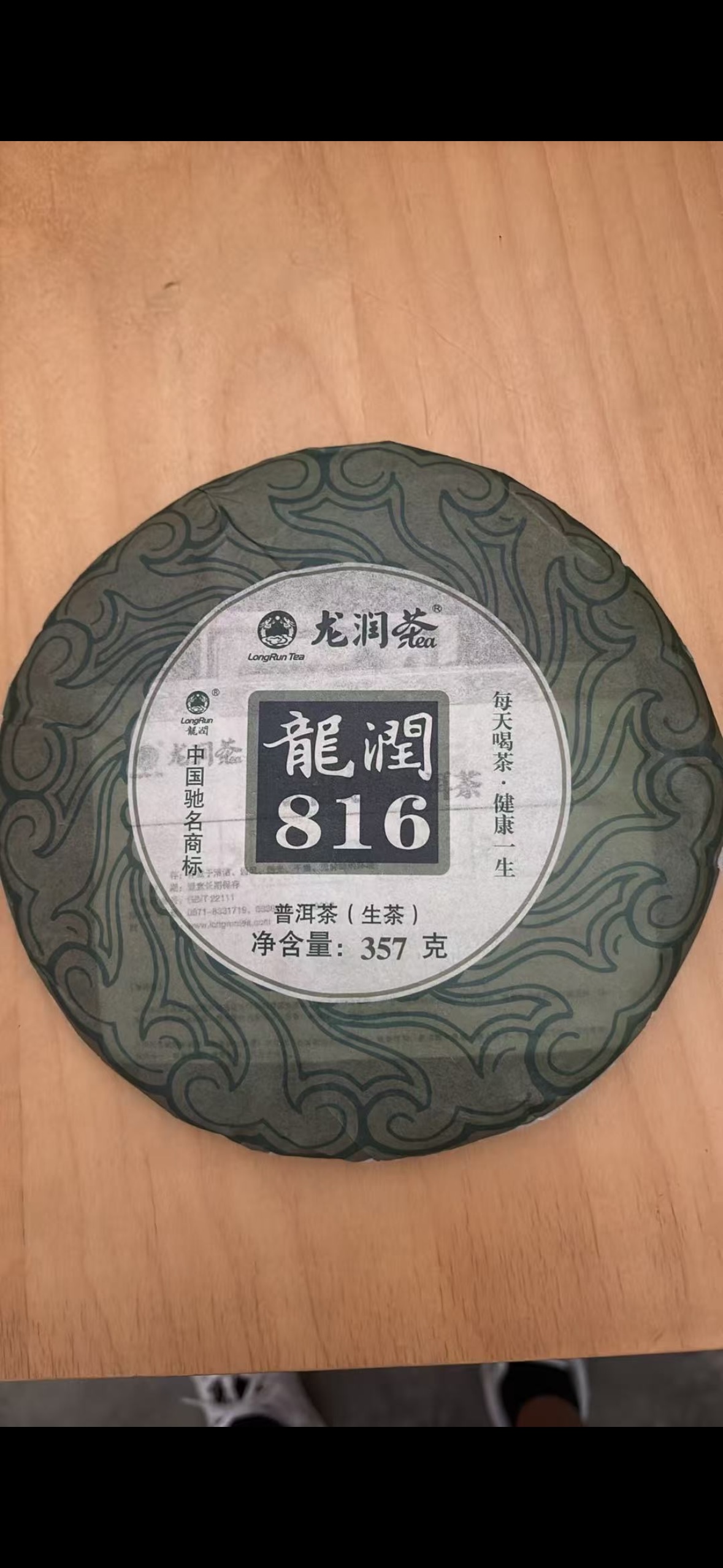
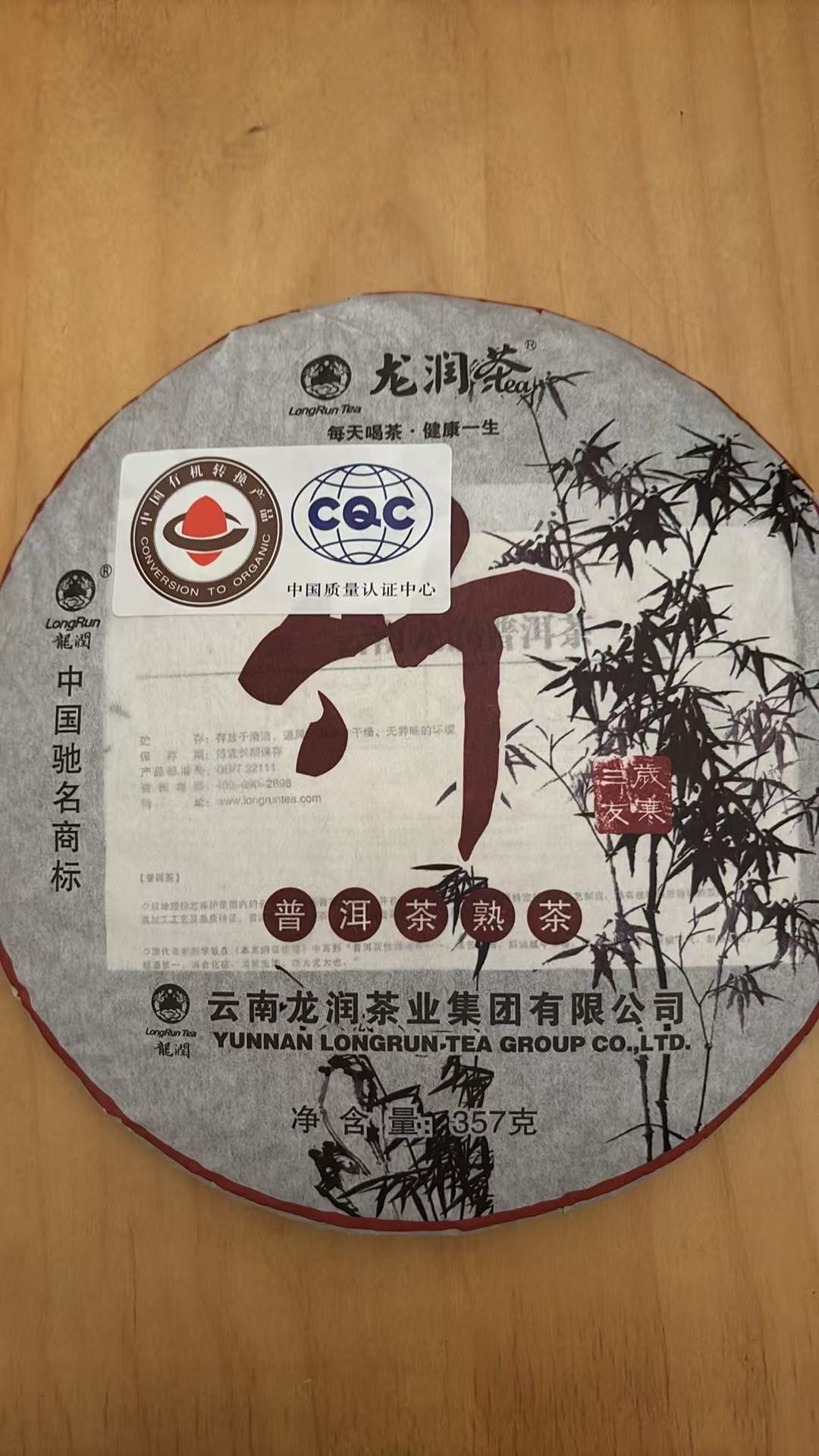
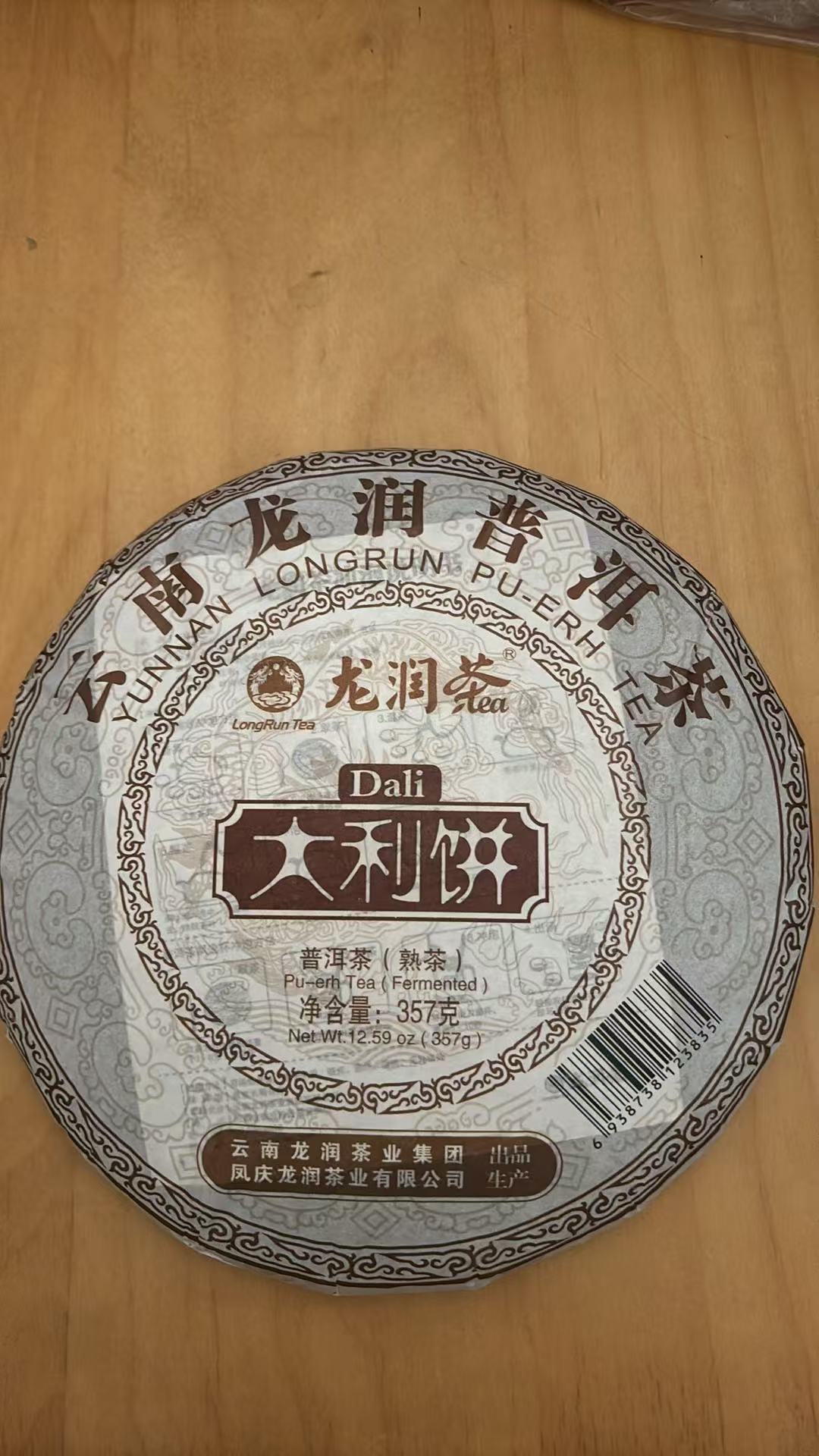
The iconic compressed cake shape didn't emerge from aesthetics alone. During the ancient tea trade routes through Yunnan's steep mountains, loose tea leaves were impractical to transport. Tea merchants discovered that compressing leaves into dense cakes—typically 357 grams—reduced spoilage, maximized storage efficiency, and made transport across treacherous terrain feasible. A single cake could survive months of mountain travel while maintaining quality. What began as pure logistics became a tradition that endures 500+ years later.
Cultural Icon & Investment Asset
In modern China, aged pu-erh transcended tea. It became a symbol of heritage, a collector's pursuit, and an alternative investment asset. Rare, well-stored vintage cakes appreciate 5–10% annually, comparable to fine wine or whiskey. Major auction houses regularly sell 1970s and 1980s pu-erh cakes for thousands of dollars. Museums in China dedicate entire galleries to pu-erh history and artisanal production. For collectors and investors, owning aged pu-erh is owning a tangible piece of Chinese cultural continuity.
Why People Drink Pu-Erh
Pu-erh enthusiasts attribute a range of qualities to the tea. Many associate it with digestive comfort, metabolism support, and general wellness. Traditional Chinese medicine practices have long held pu-erh in high regard. However, individual experiences vary, and we encourage you to research and experiment to understand pu-erh's role in your own wellness routine.
Aging: The Invisible Craft
The true artistry of pu-erh unfolds in storage. Properly stored cakes develop increasingly smooth, mellow characteristics. The "wet storage" method (higher humidity, faster aging) and "dry storage" method (lower humidity, slower but more refined aging) each produce distinct flavor profiles. A 15-year-old cake tastes radically different from a 1-year-old. A 40-year-old cake transcends the original. This is why collectors don't simply buy pu-erh—they build libraries, stewarding tea through time.